
Storage Tips
How do you actually get the most out of a storage unit? That question comes up a lot, and the honest answer depends on timing. The calendar drives more storage decisions than most people realize, and organizing your unit around seasonal cycles makes it easier to find what you need, protect what matters, and avoid the frustration of digging through boxes at the wrong time of year.
Swap Seasonal Gear on a Schedule
The most practical thing you can do with a storage unit is treat it as a rotating inventory. When spring arrives, winter coats, holiday decorations, and cold-weather sporting equipment can move into storage while patio furniture, bikes, and warm-weather gear come back home. Reverse the process in the fall. Keeping only the current season's items at home reduces clutter and means your unit stays organized rather than becoming a permanent dumping ground.
Timing these swaps around predictable events helps too. A unit rented before a summer move, a college move-out, or the holiday shopping season gives you a staging area when you need one most. Our storage size guide can help you figure out the right unit size before you start loading boxes.
Keep Frequently Used Items Easy to Reach
Position items you access regularly near the front of your unit. Seasonal gear you plan to pull out in a few months can go toward the back, stacked on shelving if possible. Leave a clear path down the center so you are not moving half the unit every time you need one box. Label every box on the side facing the door, not the top, so you can read them without unstacking anything.
A simple written or digital inventory, updated each time you add or remove items, saves real time. Note what is in each box and roughly where it sits in the unit. This matters most when you are storing seasonal items that you will not touch for several months.
Protect Fragile and Temperature-Sensitive Belongings
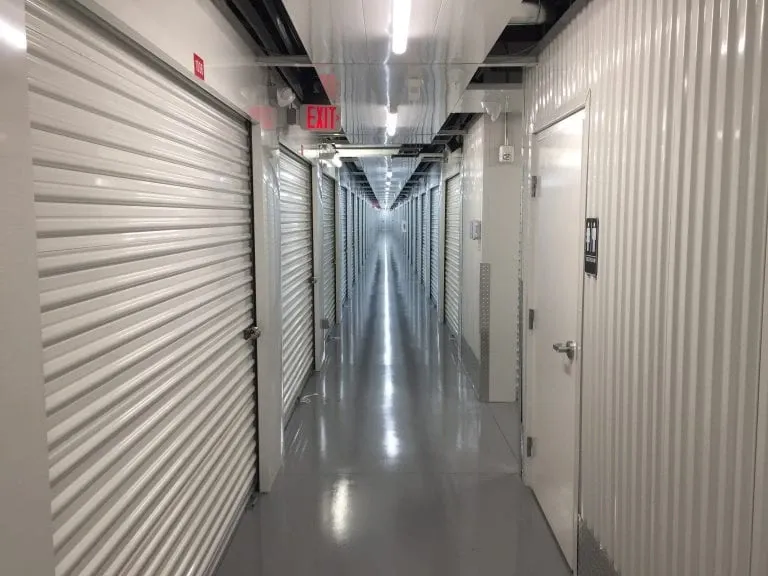
Wood furniture, electronics, artwork, musical instruments, and documents can all be affected by temperature swings over a long storage period. A climate-controlled unit maintains a consistent temperature range year-round, which reduces the risk of warping, cracking, or other damage that can develop when items sit through repeated heating and cooling cycles. If you are storing anything in these categories, a temperature-regulated environment is worth considering.
For fragile items like glassware or framed artwork, wrap pieces individually and pack them snugly so they cannot shift. Avoid storing anything directly on a concrete floor, since a simple pallet or shelving unit provides a buffer. Check out our packing supplies and unit features to see what is available to help you store items properly.
Label Everything and Keep an Inventory
Labeling is the step most people skip and later regret. Use large, clear labels on every box and mark the contents specifically rather than broadly. "Holiday" is less useful than "Holiday lights and tree stand." Color-coding by room or category adds another layer of organization that pays off when you are retrieving items in a hurry.
Pair your labels with a running inventory list. A simple spreadsheet or notes app entry for each box, updated when items go in or come out, keeps you from opening every container to find one thing. This habit matters most for long-term storage, where it is easy to forget what you packed months earlier.
Starkey Blvd Storage offers a range of unit sizes and features to fit whatever the season brings. Vehicles that sit unused for months benefit from a dedicated spot off the street, and our vehicle storage options are a good place to start if that is part of your plan. Browse available unit types to find the right fit for what you need to store.